
ECtHR: Two new LGBT cases communicated by the Court against France and Moldova
Posted: 17 Feb 2021 02:10 PM PST (c) Paul Johnson:
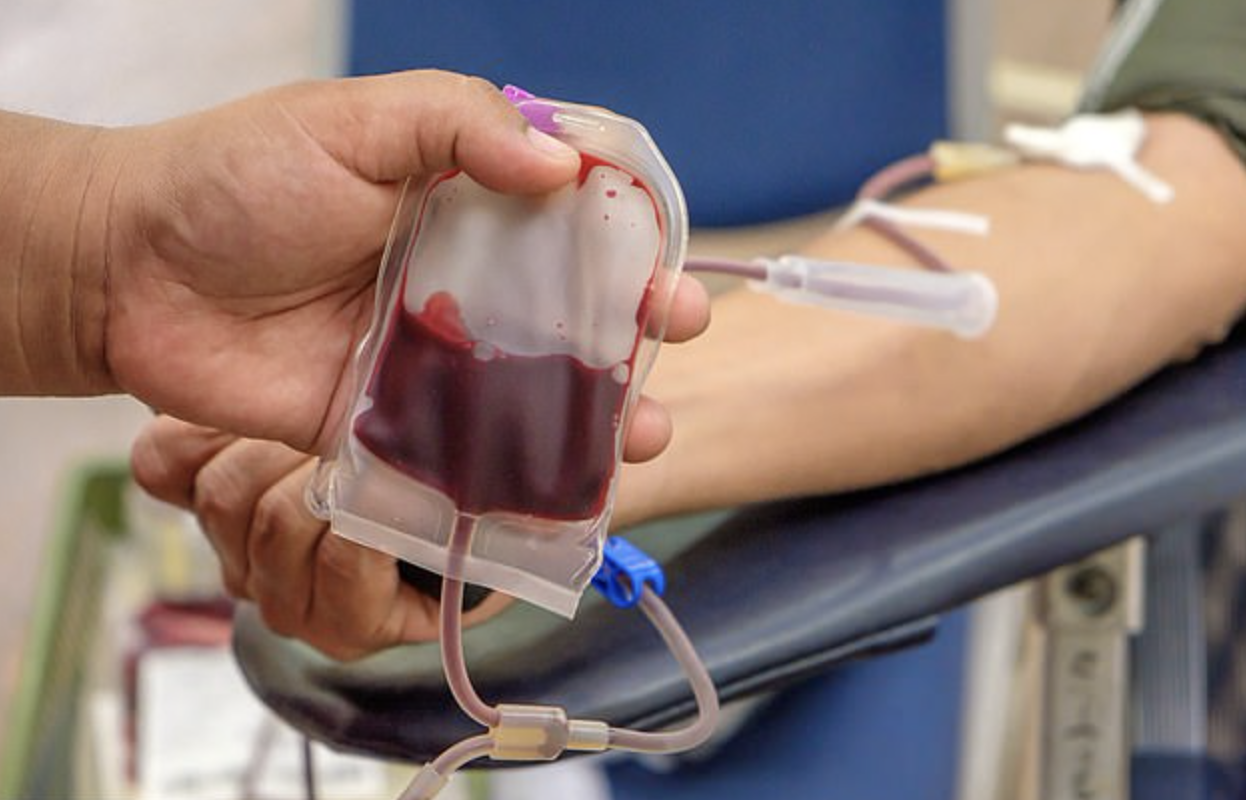
The European Court of Human Rights has communicated the following two cases concerning discrimination on the grounds of sexual orientation in respect of blood donation, and hate speech against LGBT persons.
Drelon v FranceMr Drelon has made two applications to the Court.
The first application, which relies on Articles 8 and 14 of the Convention, concerns the registration of Mr Drelon as a homosexual by the French Blood Establishment (“EFS”), which he regards as, among other things, a disproportionate measure.
The second application, which also relies on Articles 8 and 14 of the Convention, concerns the restriction on a male who has had sex with another male giving blood (previously a man who had sex with another man could not give blood for twelve months and, since 2019, this period is now four months). Mr Drelon also reiterates his complaint relating to his sexual orientation being listed in the EFS files.
The Court has asked the Parties the following questions:
1. Was there an infringement of Mr Drelon’s right to respect for his private life, within the meaning of Article 8 § 1 of the Convention, by reason of the collection and storage by the EFS of personal data relating to sexual orientation? If so, was the interference with the exercise of this right prescribed by law and necessary within the meaning of Article 8 § 2?
2. Was there an infringement of Mr Drelon’s right to respect for his private life, within the meaning of Article 8 § 1 of the Convention, by reason of the temporary restrictions to donating blood provided for by domestic law for a man who has had sex with another man? If so, was the interference with the exercise of this right prescribed by law and necessary within the meaning of Article 8 § 2?
3. Has Mr Drelon been the victim of discrimination in the exercise of his rights guaranteed by the Convention on the basis of his sexual orientation, which would be contrary to Article 14 taken in conjunction with Article 8 of the Convention?
[See also Tosto v Italy, which the Court decided to strike out.]
Public Association Information Centre “GENDERDOC-M” v Moldova
The application concerns the authorities’ positive obligations in the context of hate speech by third parties.
A news portal published various news items and invited users to comment in specially reserved comments sections. One such news item about the LGBT community’s plans for a parade was followed by several statements made under pseudonyms and calling for violence and discrimination against LGBT persons in Moldova.
GENDERDOC-M, representing a number of LGBT persons, complained in the domestic courts against the news portal, but the courts rejected the complaint since the law did not provide for responsibility for statements made by third parties.
The case raises issues under Articles 8, 13 and 14 of the Convention.
The Court has asked the Parties the following questions:
1. Do the facts of the case disclose a violation of Article 8 taken alone or in conjunction with Articles 13 and/or 14 of the Convention?
2. In particular, did the authorities comply with their positive obligations of preventing dissemination of statements calling for violence and discrimination against LGBT persons?
[See the previous judgment of the Court in respect of a complaint brought by GENDERDOC-M.]

![Bildergebnis für On Friday the Virginia State Senate approved a constitutional amendment that removes the prohibition on same-sex marriage with a vote of 22-12. The amendment amends Section 15-A of Article I of the Virginia Constitution, which recognized as a valid marriage, only a union between a man and a woman. It failed to recognize any other ‘union, partnership, or other legal status to which [was] assigned the rights, benefits, obligations, qualities, or effects of marriage,’ which is an express prohibition on same-sex marriages.The amendment also recognized the right to marry as a fundamental right inherent in the liberty of persons. While doing so, it follows the decision of the United States Supreme Court in Obergefell v. Hodges, where the majority held same-sex marriage bans to be violations of the Due Process and Equal Protection Clauses of the Fourteenth Amendment. The amendment now requires the Commonwealth and its political subdivisions and agents to issue marriage licenses, to recognize same-sex marriages, and treat all marriages equally under the law, regardless of the sex or gender of the parties to the marriage.As per § 30-19 of the Code of Virginia, which provides for the procedure to amend the Constitution, the amendment shall now have to win a majority in next year’s General Assembly at its first regular session held after the next general election of members of the House of Delegates and shall require the people to approve and ratify it by the majority of the electors, to finally become a part of the Virginia Constitution.The post Virginia constitutional amendment removes prohibition on same-sex marriage appeared first on JURIST - News - Legal News & Commentary.](https://sogiesc.law.blog/wp-content/uploads/2021/02/image-4.jpeg?w=274)


 International and Comparative SOGIESC Law - Professor Andreas R Ziegler